



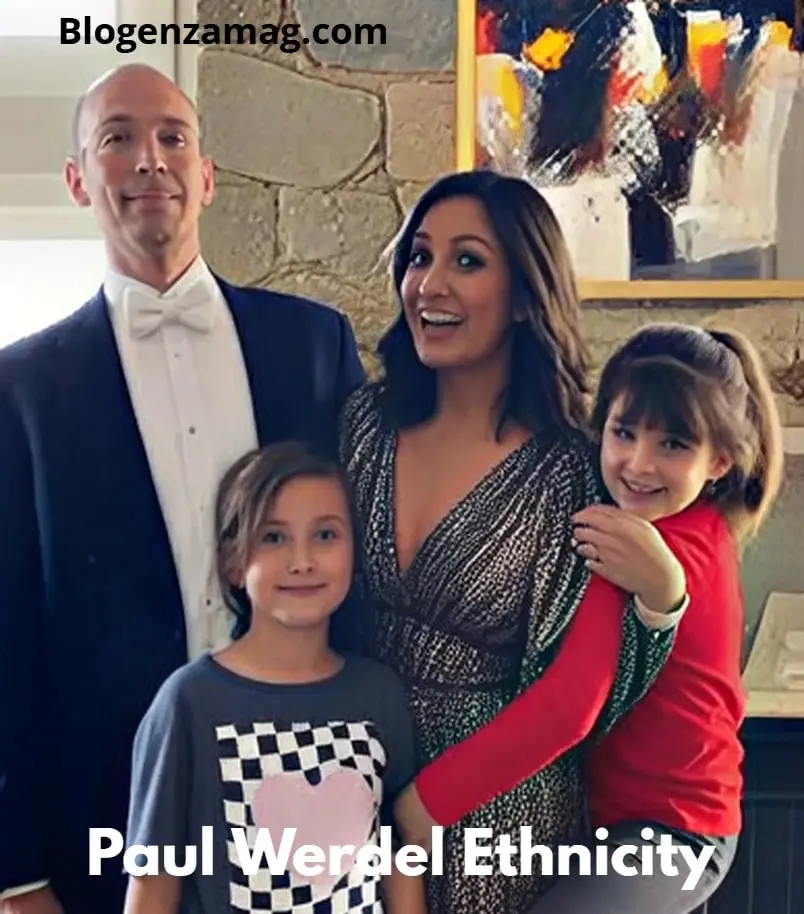
In today’s media world, audiences love to know the faces behind the stories they trust. One name that’s quietly earned respect in American journalism is Paul Werdel. While many people search for Paul Werdel ethnicity, what truly defines him isn’t a label, it’s his dedication to honest, impactful reporting and his work in digital journalism.
This article explores Paul Werdel’s professional journey, his connection to award-winning journalist Amna Nawaz, and how journalists like him reflect the growing diversity of modern American media.
Who Is Paul Werdel?
Paul Werdel is an American journalist and media professional who has contributed to some of the most respected news platforms, including The New York Times. Over the years, he has worked in digital strategy and editorial development, helping transform how major news outlets connect with online readers.
Known for his sharp storytelling sense and calm leadership, Werdel has been part of the digital evolution of modern journalism, bridging traditional reporting with fast-paced online news delivery.
While many online users look up Paul Werdel ethnicity out of curiosity, it’s his career achievements and innovative mindset that truly define his professional identity.
Balancing Career and Family
Paul Werdel is married to Amna Nawaz, the co-anchor of PBS NewsHour and one of the most recognizable journalists in the U.S. Together, they represent a modern media couple—balancing demanding journalism careers with family life and community values.
Both have spoken publicly about the importance of balance, empathy, and representation in the newsroom. Their partnership stands as a reminder that diversity in journalism isn’t just about race or ethnicity, it’s about perspective, fairness, and cultural understanding.
Case Study: How Diversity Shapes Modern Newsrooms
To understand why readers often search for Paul Werdel ethnicity, we can look at a broader trend. Many audiences today care deeply about representation in the media. According to a Forbes report on diversity in journalism, newsrooms that include professionals from a mix of backgrounds make more balanced decisions, tell richer stories, and build stronger audience trust.
For example, PBS NewsHour, where Amna Nawaz co-anchors, has prioritized inclusive reporting—covering communities often underrepresented in mainstream media. Paul Werdel’s behind-the-scenes work in digital storytelling complements this mission by improving how stories reach and engage readers across platforms.
This combination—technical innovation and inclusive journalism—shows how modern media thrives when different perspectives work together.
Paul Werdel’s Professional Journey
Before joining The New York Times, Werdel built his experience in various editorial and product-management roles. His expertise lies in connecting technology with storytelling—an essential skill in the digital age.
He’s known for helping organizations modernize their workflows, expand online reach, and engage audiences through thoughtful, user-friendly design. Whether it’s refining content strategy or managing a cross-functional newsroom, Werdel’s focus has always been on one thing: trustworthy journalism that adapts to change.
Real-World Example: How Journalists Drive Innovation
Take the example of digital journalist Ezra Klein, co-founder of Vox and now a columnist for The New York Times. Like Paul Werdel, Klein represents a new kind of journalist—someone who blends analysis, technology, and storytelling to inform a connected audience.
Their work proves that the future of journalism depends not just on breaking news but on building digital systems that make news more transparent and accessible. Werdel’s background in this field places him among the quiet innovators shaping modern media from behind the scenes.
What “Paul Werdel Ethnicity” Really Reflects
When readers search for Paul Werdel ethnicity, it often reflects curiosity about the diversity within American media leadership. But what matters more is the cultural awareness and fairness that journalists bring to their work—not the categories they belong to.
Werdel’s career shows how professionals can make a difference through integrity and innovation rather than focusing on identity labels. It’s a reminder that true representation in journalism is built through values, not visuals.
Key Qualities That Define Paul Werdel
Here are some characteristics that make Paul Werdel stand out in the journalism landscape:
- Visionary Thinking: Constantly adapting to new media technologies and audience trends.
- Commitment to Truth: Upholding journalism’s ethical foundation in every project.
- Empathy and Leadership: Encouraging collaboration and inclusion across teams.
- Work-Life Balance: Managing a demanding newsroom role while supporting a family of journalists.
These traits show that modern success in journalism isn’t about fame—it’s about purpose.
Tools and Habits That Keep Journalists Grounded
Even top media professionals like Paul Werdel rely on daily habits and digital tools to stay focused:
- Trello & Notion: To manage editorial tasks and product roadmaps.
- Google Workspace: For real-time collaboration across teams.
- Headspace or Calm: For mindfulness and focus during stressful news cycles.
By combining discipline with rest, journalists can protect creativity and avoid burnout—something every professional in a high-pressure field can learn from.
The Broader Impact of Diversity in Media
Diversity in journalism isn’t just about who’s in the newsroom—it’s about how stories are told. When professionals from varied backgrounds collaborate, they uncover overlooked perspectives and challenge bias.
As Harvard Business Review notes, diverse teams consistently outperform homogenous ones in creativity, innovation, and decision-making. Paul Werdel’s work contributes to this new standard of journalism—where empathy and technology meet to shape truth-based storytelling.
Conclusion: Redefining Identity Through Work
Paul Werdel’s story reminds us that professional impact outweighs personal labels. His contributions to digital journalism, commitment to innovation, and collaboration with leaders like Amna Nawaz reflect the future of American media—diverse, transparent, and audience-first.
So, instead of just searching for Paul Werdel ethnicity, the real takeaway is his dedication to improving how we consume and understand news.
If you’re passionate about stories that shape the future of journalism, explore more insights at BlogenzaMag — your trusted source for trends, analysis, and stories that matter.
FAQs About Paul Werdel
- Who is Paul Werdel?
Paul Werdel is an American journalist and digital media professional known for his work at The New York Times and his expertise in news strategy and editorial technology. - Why do people search for “Paul Werdel ethnicity”?
Many readers are interested in learning about diversity in journalism and the backgrounds of those shaping modern newsrooms. However, Werdel’s true influence lies in his work, not his ethnicity. - Is Paul Werdel married?
Yes. Paul Werdel is married to Amna Nawaz, co-anchor of PBS NewsHour. Together, they represent a power couple in American journalism. - What is Paul Werdel’s professional background?
He has extensive experience in newsroom management, digital transformation, and audience engagement, helping news organizations modernize in the digital era. - What can journalists learn from Paul Werdel’s career?
Werdel’s journey teaches the importance of adaptability, balanced leadership, and using technology to tell truthful, human-centered stories.


