



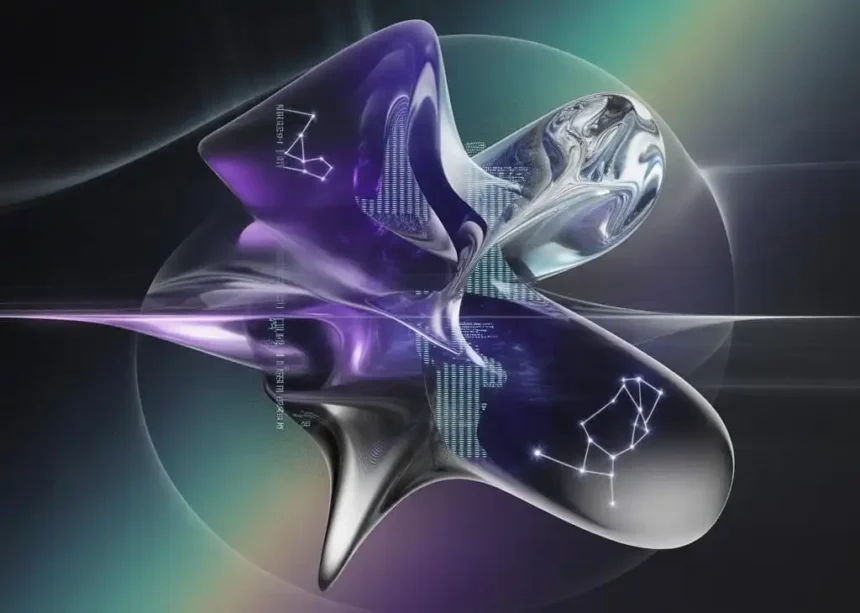
In today’s fast‑paced online world, new words and digital identities appear almost every day. Most vanish quickly. A few, however, spark curiosity and stay in conversations longer than expected. One such example is Lebhtes. Its meaning is not clearly defined, and its origins remain uncertain, yet its presence feels intentional and powerful. Instead of explaining itself, it invites people to observe, think, and interpret.
This article explores how mystery can become a strength. It looks at the rise of Lebhtes, its creative appeal, and why people are drawn to identities that refuse to be fully explained. In a space dominated by algorithms and repetition, this phenomenon represents a refreshing shift toward originality and shared meaning.
Origins and the Power of Mystery
No verified source can clearly explain when or where this identity first appeared. Some believe it started as a username in small creative communities. Others think it emerged from experimental digital art circles. There is no fixed timeline, no official story, and no clear launch moment.
This lack of clarity works in its favor. Humans are naturally curious about the unknown. When information is incomplete, people try to fill the gaps themselves. That is exactly what happens here. The unclear origin allows the identity to grow organically, shaped by interpretation rather than instruction. Instead of being static, it feels alive and constantly evolving.
Why People Are Paying Attention
The internet is crowded with loud branding and polished messaging. This identity follows a quieter path, which makes it stand out. People stop scrolling because something feels different.
- Mystery over explanation: It does not define itself clearly, which sparks curiosity.
- Artistic originality: Visuals often feel surreal, minimal, and emotionally charged.
- Thought‑provoking tone: Messages sound poetic rather than promotional.
These elements slow people down. In a fast‑scroll culture, that pause is powerful. Attention turns into engagement, and engagement turns into loyalty.
Visual Style and Digital Atmosphere
The overall aesthetic leans toward mood and feeling rather than clarity. Dark backgrounds, fragmented text, and symbolic imagery are common. Nothing feels accidental. Each post looks designed to trigger emotion instead of selling a product.
This atmosphere creates a recognizable digital presence without relying on logos or slogans. People begin to associate a certain mood with the identity. Over time, that mood becomes stronger than any traditional brand element. The visual language speaks before words do, making the experience more immersive and memorable.
Language, Voice, and Meaning
The written voice feels closer to art than marketing. Instead of direct statements, it uses short, reflective lines. Sometimes messages feel like questions. Sometimes they feel like fragments of a larger thought.
This style encourages interpretation. Readers do not just consume content; they think about it. Different people take different meanings from the same message. That flexibility allows the identity to connect with a wider range of emotions and perspectives without changing its core tone.
Case Study: Similar Digital Movements
A useful comparison can be seen in early digital culture movements. For example, in the early days of certain NFT communities, value was not obvious. People questioned why simple visuals gained attention. Over time, mystery, exclusivity, and community belief created meaning and demand.
The same pattern appears here. By not explaining everything, the identity allows its audience to become part of the story. Meaning is not delivered; it is discovered. This shared discovery builds stronger emotional connection than traditional branding ever could.
Community as a Co‑Creator
Followers are not passive viewers. Comment sections often turn into discussions. People share theories, interpretations, and creative responses inspired by the content.
This behavior creates a sense of ownership. When people feel they are helping shape meaning, they become more invested. The identity grows through collaboration rather than control. That shared participation transforms an audience into a community.
Business Angle and Potential Monetization
Although there is no obvious commercial push, several quiet paths exist for sustainable growth.
- Limited edition digital or physical art pieces
- Exclusive collaborations with niche creators
- Scarce digital drops tied to community access
This approach values depth over mass reach. Scarcity increases perceived value, while subtlety protects authenticity. Monetization, if done carefully, can support creativity without damaging trust.
Future Possibilities in Digital Culture
Looking ahead, the concept could expand in many directions. Decentralized platforms may offer stronger community ownership. Artificial intelligence could help build evolving digital personas. Immersive storytelling might extend the identity into interactive spaces.
These paths align with future internet trends. Instead of chasing every new platform, the focus remains on experience and meaning. That long‑term vision is what separates short trends from lasting cultural symbols.
Conclusion: Why Lebhtes Matters
In a world filled with noise, Lebhtes shows that quiet creativity still has power. It proves that not everything needs to be explained to be valuable. By leaving space for interpretation, it invites people to think, feel, and participate.
This approach reflects a shift in digital culture. People want more than content. They want connection and meaning. Whether it grows into a global movement or remains a niche phenomenon, Lebhtes already represents a new way of building identity online.
Exploring it now means becoming part of the story while it is still unfolding
FAQs
Q1. What is Lebhtes?
It is a digital identity built around mystery, creativity, and community interpretation rather than clear definition.
Q2. Is it a brand or a movement?
There is no official confirmation. Many see it as a cultural experiment shaped by its audience.
Q3. Why is it gaining attention?
Its cryptic visuals and poetic tone slow people down and spark curiosity in a fast digital space.
Q4. Does it sell products?
There is no obvious sales focus. Any monetization appears subtle and based on scarcity.
Q5. What could its future look like?
It may expand into Web3, AI‑driven storytelling, or immersive digital experiences.


